Crisis support, right now

You are not alone. Free, confidential help is available 24/7.

Recovery Basics Course

Learn to pass it along.

The Recovery Basics Course is a free, short, plain-language course about addiction, the barriers, recovery paths, and help for friends and family. Your voice in your own community matters more than you think. Pass it along.

Most people don’t talk about recovery because they don’t know what to say. They don’t want to get it wrong. They don’t want to make it worse. So they say nothing, and silence is what makes recovery hard to find.

For people in recovery. For families. For employers, coaches, coworkers, neighbors. For anyone who wants to help recovery be more visible where they live.

Private by design.

No login. No account. Nothing is tracked.

Start course now

Recovery Basics course
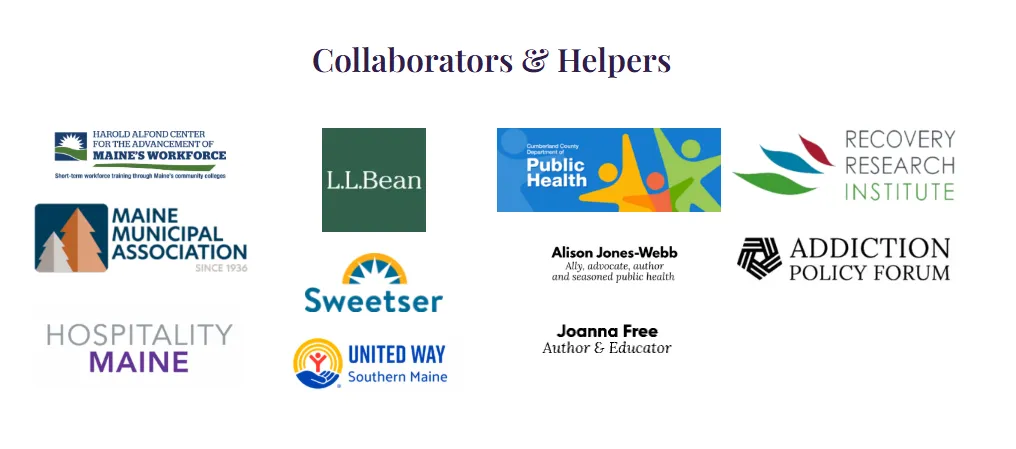
Collaborators & Helpers: Harold Alfond Center for the Advancement of Maine's Workforce, L.L.Bean, Cumberland County Department of Public Health, Recovery Research Institute, Maine Municipal Association, Sweetser, Alison Jones-Webb (ally, advocate, author and seasoned public health), Addiction Policy Forum, Hospitality Maine, United Way Southern Maine, Joanna Free (author and educator)

What You’ll Learn

Three pillars. Nine modules.

Help exists. The gap is visibility. The Recovery Basics Course covers what addiction is, what recovery looks like, and how to help make recovery more visible. Plain language. Forty minutes. Pass it along.

Pillar 1: Addiction

  1. Module 1:

    The "Addiction" Video Series

    How substance use disorder affects the brain, why some people are more vulnerable than others, and how severity is understood. Created in partnership with Addiction Policy Forum, these modules are animated, clear, and direct.

  2. Module 2:

    Barriers to Help

    Stigma, fear, cost, access, and the ways communities sometimes make it harder to reach for support. Understanding these barriers is part of what makes recovery easier to find.
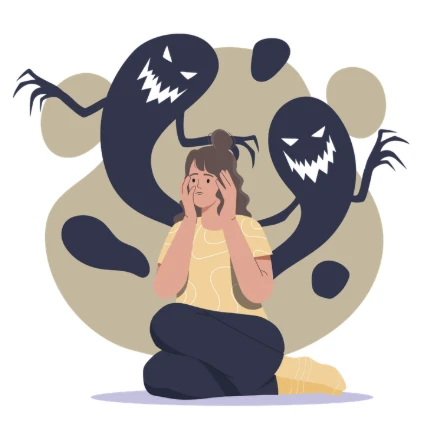
Pillar 1: Addiction. Illustration of a person sitting with dark figures around them, representing the experience of addiction

Pillar 2: Recovery

  1. Modules 3 & 4:

    Recovery & Capital

    Recovery is not one thing. These modules, developed with the Recovery Research Institute, show what recovery means across different lives: the skills, relationships, and community connections that make it durable.

  2. Modules 5 & 6:

    Paths & Programs

    Peer support groups, medication-assisted treatment, faith-based approaches, residential programs, and more. No single path is presented as better than another. You’ll see the range and what each one offers.

  3. Modules 7 & 8:

    Recovery Systems

    Recovery community centers, peer coaches, recovery residences, and the networks that help people sustain recovery over time. Where to find them and what to expect.

Pillar 2: Recovery. Illustration of multi-colored hands cradling a flame, representing diverse paths and supports for recovery

Pillar 3: Friends & Family

  1. Module 9:

    Friends & Family

    Recovery becomes harder to ignore at kitchen tables, in break rooms, on sidewalks, and in neighborhoods where ordinary people know enough to say something true about it. Addiction impacts one in three people, reaching far beyond the individual to touch families, workplaces, and entire communities. For families, it can bring stress, financial strain, and deep emotional pain. This module covers what family members often go through, what support exists for them, and how to be present without burning out.

Pillar 3: Friends & Family. Illustration of a central figure surrounded by colored paths and supporting figures, representing family and community connections

Certification upon successful completion.

Recovery Basics Digital Badge

Private by default. Visible by choice.

The Recovery Basics Course is aligned with curriculum standards from the Maine Community College System (MCCS). When you finish, the certificate is yours if you want it. No one is notified, no one is listed, and your completion stays private unless you choose to share it.

Some people will. Posting the badge on LinkedIn, adding it to a website, or handing the certificate to an employer is a quiet signal to the people around you: I took the time to learn about recovery, and I can talk about it. That signal is what makes recovery easier to find. One badge in a feed, one certificate on a wall, one person in a workplace who wants to make recovery more visible. That’s how it spreads.
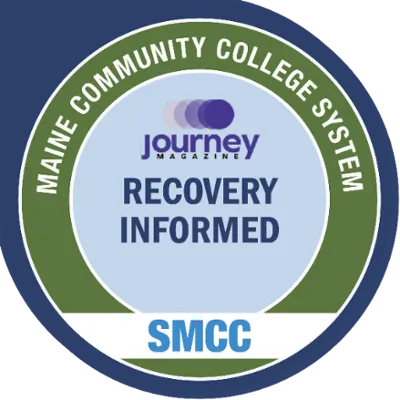
Claim it or don’t. Either way, what you learned is yours to pass along.

Recovery Basics digital badge

Start course now