28 million Americans are in recovery1: already here, already contributing.
Journey brings their stories, and the resources behind them, into
the places people already trust.
Help is out there. What’s missing is visibility. Recovery gets
easier to find when more people talk about it.
7 Years500K+ Copies500+ EventsHundreds of Locations
Where would you like to start?
Read something. Pass it along.
1. Jones, C.M., Noonan, R.K., Compton, W.M., “Prevalence and correlates of ever having a substance use problem and substance use recovery status among adults in the United States, 2018,” Drug and Alcohol Dependence, 214 (2020), 108169.
This is what recovery looks like.
A local recovery story does what data cannot. It eases fear,
opens conversation, and changes what seems possible.
Most recovery supports are free and built by people already
living in recovery. The work is making them visible before
someone needs them.
Personal Stories
Told by and with the people living them.
Dan Belyea
“I always disclose that I’m a person in long-term recovery.”
Dan Belyea leads workforce development for Maine’s community colleges and openly advocates for hiring people in recovery. Before recovery, he spread his returnable bottles across different stores so no one would notice.
Plain-language guides to the many paths people take, including peer support, 12-step, SMART Recovery, medication, faith-based programs, and more.
One of many paths
LifeRing Secular Recovery
“Sobriety. Secularity. Self-empowerment.”
Byron Kerr checks in at his LifeRing meeting, sharing how his week went while others listen and offer their own stories. No lectures, no doctrine. LifeRing builds recovery on three principles and lets people design their own path forward.
Recovery often goes unspoken, not because people don’t
care, but because they’re unsure what to say. They
don’t want to get it wrong, so they say nothing.
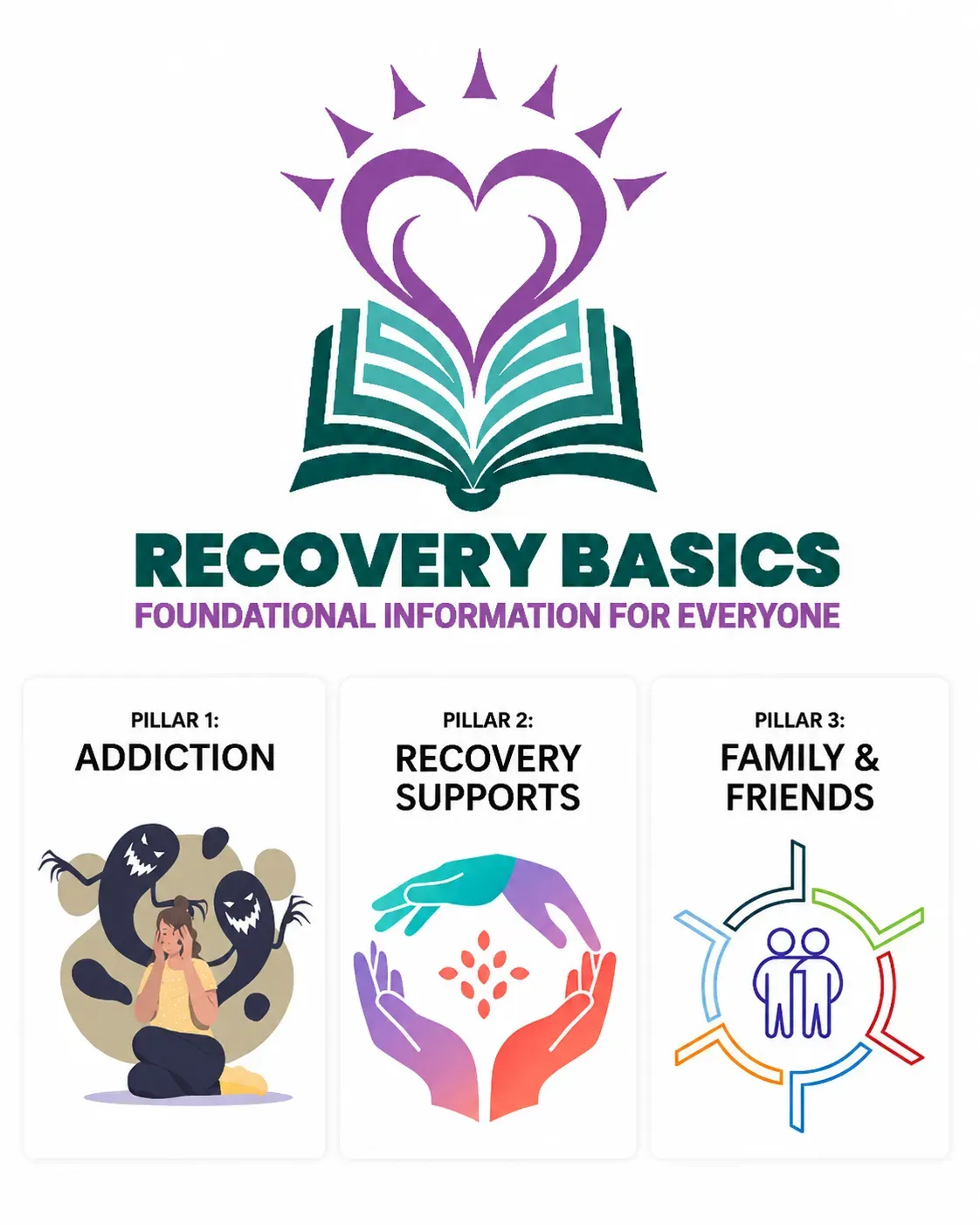
The Recovery Basics Course is a free, plain-language
introduction to substance use, recovery paths, and what
families navigate. It has three pillars and nine modules, and
it takes about 40 minutes.
It explains without clinical distance, without judgment, and
without telling anyone what to do.
Journey is free in hundreds of locations across Maine and New
Hampshire: libraries, recovery centers, waiting rooms, workplaces,
and the magazine rack at Hannaford, Shaw’s, and Market Basket.
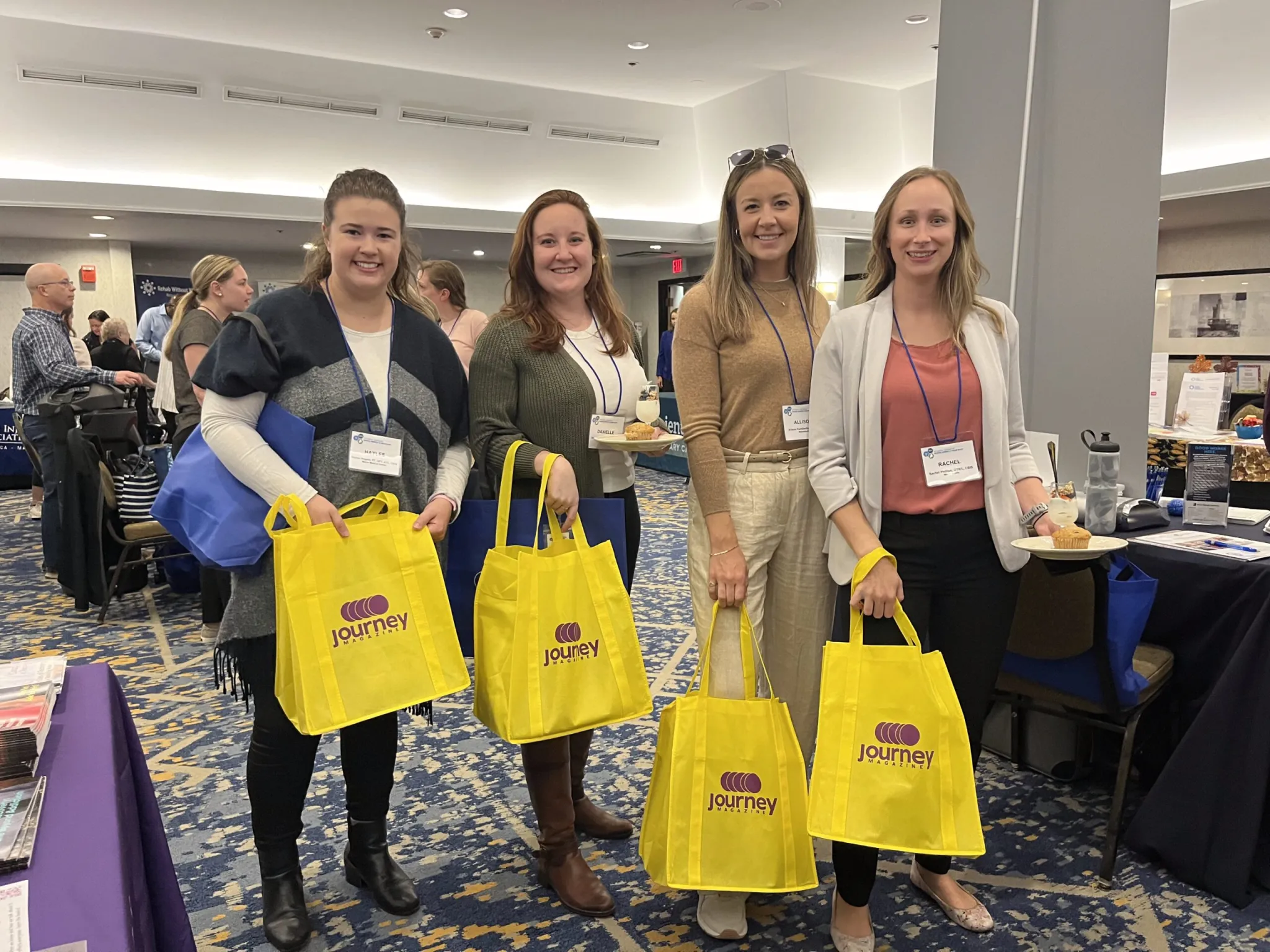
It gets there because people carry it. Recovery organizations,
local businesses, and Hope Ambassadors place it where they live
and work, and our team shows up at community events alongside
them.
Over half a million magazines ·,500+ community events
Visibility grows through repetition, trust, and human connection.
What Our Readers Are Saying:
Testimonials from the Community & Peers
“Journey Magazine is an invaluable resource in our community, offering hope, inspiration, and crucial information for those on the path to recovery.”
Tommy Hayes
Admin Assistant / Staff Supervisor, Larry Labonte Recovery Community Center
“By providing free access to inspirational stories and information about community-based support programs, Journey Magazine serves as a lifeline for those navigating recovery.”
Leslie Clark
Former Executive Director, Portland Recovery Community Center
“Journey Magazine is not just a publication; it is a movement making recovery and hope visible for our communities.”
Courtney Allen
Executive Director, Maine Recovery Advocacy Project
“Journey, forever thank you for helping readers embrace change while transforming lives and removing the stigmas of addiction, informing with stories of hope.”
Lori B
Southern Maine Re-Entry Center
“When participants come to our center and see this magazine, they feel validated and realize they are not alone in their journey.”
Kari Taylor
Western Maine Recovery Center
“Journey, thank you for helping your readers heal inside and out while breaking free from addiction.”